Speakers take the conference to the next level
We've all been to a conference where a speaker has delivered a euphoric knock-out. After a short hour of new insights, you immediately want to go out and change the world, filled with immense energy. Does that sound familiar? A speaker can really take the impact of a conference to the next level and help convey messages in an engaging way. But how do you recognize a good speaker? And above all, where can you find them?
2020-09-15
In our industry, we often meet people who share thoughts, opinions, knowledge and experiences from their own lives. In everyday speech, we refer to them as lecturers. Some are full-blooded professionals and live almost exclusively on being out in different places in the country and inspire. Others do it as a complement to research, writing, leadership, and political work.
A good speaker at a conference is often a considerable investment. Generally, you have to pay from SEK 40,000 and upwards for a renowned inspirational speaker who proclaims a message for one to two hours. It is not uncommon for the price to be closer to SEK 75 000-100 000. Then, of course, it is extremely important that it is good, i.e. that you get exactly what was the goal. Perhaps you want to provide new knowledge, new tools for a task or new insights into a specific topic.
Nobody expects a speaker to move mountains and fundamentally change attitudes. But it can give a big push in a specific direction to reinforce the message of a meeting, drive a change of attitude in the company or create some other kind of new start.
What makes a good lecturer?
In my opinion, it is first and foremost about the lecturer's ability to identify the right content for the lecture. The message should be crisp, to the point and impossible to misinterpret. It sounds obvious, but I've been to a lot of lectures where I think the message has been too general. Then it becomes difficult to feel really engaged. It doesn't really grab the heart. In addition to the content providing inspiration, it should also be entertaining. But here it's important to find the right balance - sometimes some inspirational speakers tend to be too "funny". When the speaker is too focused on making the audience laugh, it's easy to lose the message.
A good lecturer is phenomenal at 'building' the lecture. There is a clear plan that aims to engage - from the beginning, through the talk, to the end where you tie it up and leave the audience energized and enthusiastic. I've listened to some speakers who have been absolutely fantastic in this regard. At the end, it has felt like wrapping up a really good novel after finishing the last page. The different parts of the lecture form the foundations for a resounding conclusion. All lecturers plan their beginnings and endings, but not all have mastered the technique.
"At the end, it has felt like when you wrap up a really good novel after finishing the last page."
Thirdly, you should look at how lecturers use presentation tools. After all, very few lecturers can stand up straight on a stage without any tools and still capture the audience's attention. Powerpoint can be good, but it can also be very bad if you use it wrong. Lots of pictures can be good for illustration and reinforcement, but they can also be distracting. There are lecturers who make it easy for themselves and deliver slides on a conveyor belt, but the effect is that they water down the message. Understanding the potential (and impact) of different presentation techniques can enhance a lecture. Combining different tools, such as powerpoint, whiteboard and physical objects, can create a tremendous dynamic.
Finally, I would like to pay tribute to lecturers who dare to interact with their audience. It may be overkill, but it makes the whole thing a living performance rather than a lecture. The audience is transformed into participants and becomes part of the message. Greater personal involvement and participation also increases the learning rate and makes it easier to understand and absorb the intended message.
How to choose the right speaker for your conference
When you Google for speakers, you get a huge selection to choose from. From sports personalities, survivors and adventurers to prominent entrepreneurs and scientists, how do you choose the right speaker?
1. set a clear purpose for the lecture. What do you want to get out of it? Start from the purpose and objectives you have for the conference. Often you can get good speakers to adapt their message within certain limits, so that it fits better with what you want to get out of the meeting. Don't be afraid to have that discussion.
2. Ask for more than one suggestion for speakers. Select a number who communicate in a way that suits the target audience and have a stage personality that they can appreciate. Feel free to ask for references or ask someone who works professionally with meetings for suggestions.
3. Be sure to get a speaker who is committed. Ask for at least one pre-meeting, IRL or via Skype/phone, before the talk to make sure you agree on the message and to share expectations, organizational challenges or similar.
4. Ask for a clear quote so that you can see what is included, but also what is additional. Be sure to read the lecturer's requirements for equipment in the room.
Finally, I just want to say: Remember that great experiences create strong relationships. Both to your brand and between the participants. The right speaker enhances the experience of the meeting, strengthens the commitment of the participants and makes the impact of your conference greater.
Good luck to you!
/Ola
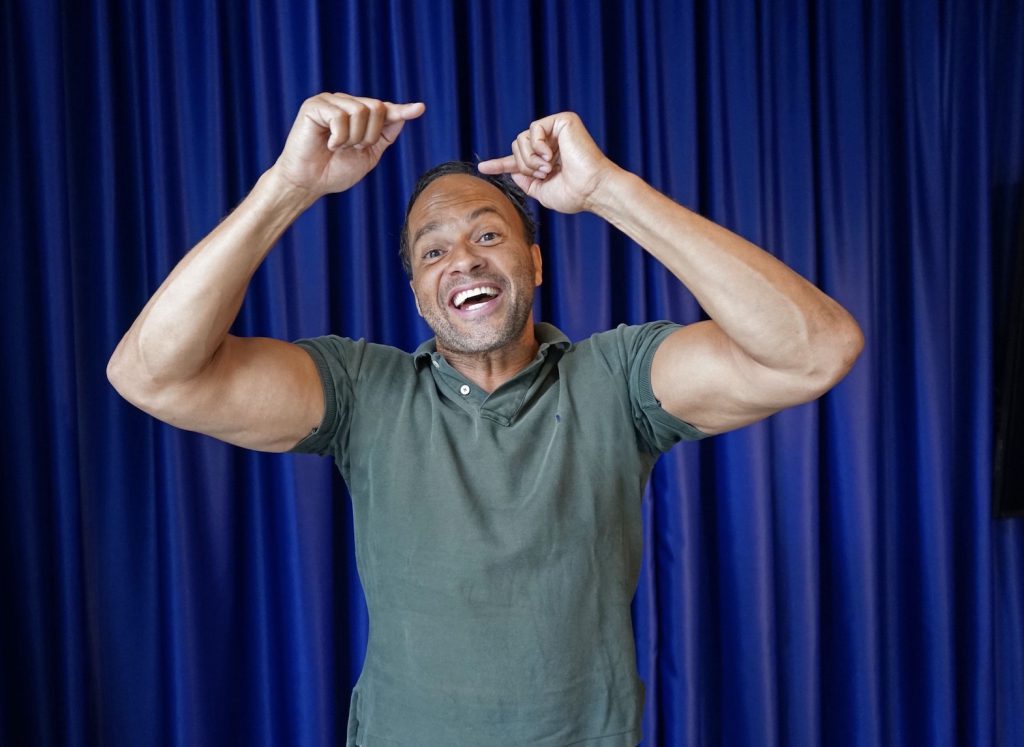
PS. Kelly Tainton (pictured) is one of my personal favorite speakers, who made a big impression on me. It's gotten to the point where my colleagues have started rolling their eyes whenever my experience is mentioned - I'm still blown away!
Photo: Kelly Tainton